
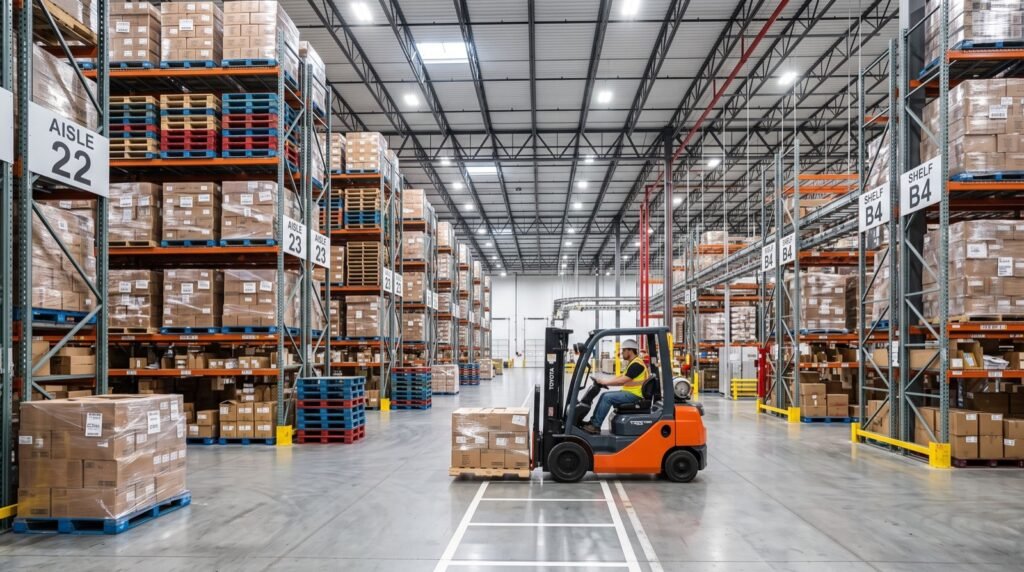
Warehousing in Saudi Arabia: How Dry Storage Powers Modern Supply Chains
Behind every fast delivery and full shelf sits a warehouse. In Saudi Arabia, warehousing has moved from a background utility to a strategic advantage. Companies that manage storage well ship faster, waste less, and win more customers.
This article looks at how dry storage and specialised warehousing support supply chains across the Kingdom in 2026. We explore location strategy, industry-specific needs, and the operational choices that keep goods safe from the heat. Whether you import, manufacture, or sell online, the right warehouse changes the game.
The Role of Warehousing in Saudi Arabia’s Economy
Logistics is a Vision 2030 priority, and it shows. The Kingdom is investing heavily to become a regional hub linking three continents. The Ministry of Transport and Logistic Services has driven port, rail, and road upgrades that make efficient warehousing more valuable than ever.
Jeddah sits at the centre of this shift. Its Red Sea port handles a huge share of imports, so storage near the coast lets businesses receive, sort, and distribute goods with minimal delay. Every day a container sits idle is a day of lost margin.
Dry storage forms the backbone of this system. Most goods do not need refrigeration; they need a clean, dry, secure place with room to move pallets. Get that right and the rest of the chain flows.
Why Jeddah Leads for Import-Driven Storage
Proximity to the port cuts transport time and cost. Businesses that hold stock in the city react faster to demand. Reliable Dry Storage in Jeddah gives importers a staging point where goods stay protected before they head to shops across the western region and beyond.
Matching Storage to Your Industry
Warehousing is not one-size-fits-all. A tile importer and a clothing brand have very different needs. The best operators tailor racking, humidity control, and handling to the goods they hold.
Heavy industrial stock needs strong floors and forklifts. Delicate consumer products need dust control and careful stacking. Knowing your category is the first step to a warehouse that works.
Storage for the Apparel and Retail Sector
Clothing is deceptively demanding. Garments crease, absorb odours, and fade if stored badly. Retailers need hanging space, shelving, and climate stability to keep stock sale-ready. Dedicated Storage for the Fashion Industry provides these conditions, protecting fabric quality from receipt to shelf. That protection matters most during seasonal peaks when volume spikes.
Storage for Industrial and Bulk Goods
Manufacturers and distributors move volume. They need wide aisles, high racking, and dock access for trucks. A warehouse built for bulk keeps loading fast and stock organised by SKU, which reduces picking errors and speeds dispatch.
The Rise of Third-Party Logistics in the Kingdom
More Saudi businesses now outsource storage to third-party logistics partners instead of building their own warehouses. The reason is simple: capital is better spent on products and marketing than on concrete and forklifts.
A third-party partner absorbs the fixed costs of space, staff, and equipment. You pay for what you use, and you scale on demand. During a Ramadan sales surge or a summer clearance, you add space without a permanent commitment.
This model also brings expertise. Established operators know how to store diverse goods, manage stock accurately, and dispatch orders on time. For a growing brand, that borrowed experience shortens the learning curve and reduces expensive mistakes.
When Outsourcing Beats Owning
Owning a warehouse makes sense only at high, stable volumes. Below that threshold, renting almost always wins. Ask yourself whether your stock levels justify the overhead of a dedicated building, or whether flexible space serves you better as you grow through 2026.
How Do You Choose a Warehouse Provider?
Picking a partner is a bigger decision than picking a box. You are trusting a company with the stock that funds your business. Evaluate providers on more than price alone.
- Location relative to ports, highways, and your customers
- Cleanliness, pest control, and humidity management
- Security, CCTV, and access control
- Flexibility to scale space during busy seasons
- Value-added services like picking, packing, and inventory reports
Ask to visit before you commit. A short walk through the aisles reveals how a facility really runs. Look at the floors, the lighting, and how staff handle existing stock.
Comparing Storage Options at a Glance
| Feature | Dry Storage | Climate-Controlled | Open Yard |
|---|---|---|---|
| Best for | Packaged goods, textiles | Food, pharma, cosmetics | Machinery, containers |
| Heat protection | Good | Excellent | Minimal |
| Cost | Moderate | High | Low |
| Setup speed | Fast | Moderate | Fast |
Keeping Goods Safe in the Saudi Climate
Heat and humidity are the silent enemies of stored goods. Summer temperatures can damage adhesives, warp packaging, and encourage mould in poorly managed spaces. A serious warehouse plans for this.
Good ventilation, sealed doors, and moisture barriers make a real difference. For dry storage, the goal is stable, moderate conditions that keep products in the same state they arrived in. Working with trusted professionals who understand local conditions gives you an edge over generic space rented sight unseen.
A Tip Worth Applying Today
Run a quarterly stock audit and rotate older inventory to the front. This simple first-in, first-out discipline prevents forgotten goods from ageing at the back of a rack. It also surfaces slow sellers early, so you can discount them before they lose all value.
Frequently Asked Questions
What is dry storage and when should I use it?
Dry storage is a clean, ventilated space kept at ambient conditions without refrigeration. Use it for packaged goods, textiles, hardware, and documents that do not need cold temperatures but must stay dry and secure.
Why is Jeddah a strong location for warehousing?
Jeddah’s Red Sea port handles a large share of Saudi imports. Storing goods nearby cuts transport time and cost, letting businesses receive and distribute stock quickly across the western region in 2026.
How is fashion storage different from general storage?
Fashion storage adds hanging rails, careful shelving, and humidity control to protect garments from creasing, fading, and odours. This keeps clothing sale-ready, which general dry storage may not fully guarantee.
Can a warehouse provider handle picking and packing?
Many modern providers offer value-added services such as picking, packing, and inventory reporting. These services turn a simple warehouse into a fulfilment partner, ideal for e-commerce and retail brands.
Final Thoughts
Warehousing in Saudi Arabia is now a competitive lever, not just a cost. Smart businesses choose dry storage and industry-specific space that matches their goods, their location, and their growth plans for 2026 and beyond.
Start by mapping where your stock needs to be, then find a provider who protects it and helps it move. Do that well, and your warehouse becomes the quiet engine of a faster, leaner supply chain.